What is a Cloud-Based Learning Management System?
A Cloud-Based Learning Management System (LMS) is the cornerstone of modern education. But what exactly is it? Simply put, Learning Management System is an online platform that hosts, delivers, and manages all educational content and processes over the internet. Unlike software installed on local servers, it allows students, teachers, and parents to access learning materials, grades, and communication tools from anywhere, on any device.
Why Schools Prefer Cloud Over Traditional Systems
The educational landscape is undergoing a profound digital transformation, moving away from chalkboards and paperwork toward dynamic, interconnected digital classrooms. This powerful platform is changing the way educational content is shared, managed, and monitored. The shift from traditional, location-bound systems to flexible, cloud-hosted solutions is transforming schools into future-ready learning environments. It also connects smoothly with a School Management System to create a complete and unified learning space.
For institutions using platforms like Muntazim, moving to the cloud isn’t just a trend; it’s a smart choice to improve student performance and prepare their systems for the future.
Ready to take your school to the cloud?
Contact our team today for a personalized demo.
The Limitations of Traditional Systems
Before cloud technology, many schools used on-site servers and separate software systems. These older setups brought several problems:
- High Upfront Costs: Schools had to spend a lot on servers and IT equipment.
- Limited Access: Students could only use learning resources in school computer labs, making remote learning difficult.
- Complicated Maintenance: Schools needed IT staff to handle updates, security fixes, and technical issues, which caused downtime and extra costs.
- Scalability Problems: When the number of students increased, schools had to buy expensive new hardware to keep up.
Moving to a cloud based management system solves these issues by offering a more flexible, affordable, and efficient way to manage learning.
Key Drivers for the Shift to the Cloud
So, why are schools switching so rapidly? There are multiple compelling reasons.
1. Unmatched Accessibility and Flexibility
A cloud-based Learning Management System removes the limits of the traditional classroom. Students and teachers can access lessons, assignments, grades, and communication tools from any device with internet, anytime, anywhere. This supports all learning styles, whether in-person, online, or hybrid, and keeps education running smoothly in any situation.
2. Major Cost Savings
Cloud systems use a subscription (SaaS) model, so schools don’t have to spend huge amounts on servers and hardware. This turns a high one-time cost into a simple, predictable monthly or yearly fee. Schools also save money on maintenance, electricity, and IT staff, allowing them to use their budget for other important needs.
3. Better Collaboration and Communication
These platforms are designed to help people work together. Tools like discussion boards, live document editing, group workspaces, and built-in messaging make learning more interactive. Because the LMS connects smoothly with the School Management System, things like announcements, attendance, and grades stay updated and consistent, keeping teachers, parents, and administrators well-informed.
Discover how our platform can transform your school’s learning environment.
Cloud Learning Management System Features That Make a Difference
The superiority of a cloud LMS is defined by its feature set, which is designed to empower every member of the school community:
- For Administrators:Automated enrollment, centralized reporting, and fee management modules.
- For Teachers:Easy content creation, automated grading, plagiarism checkers, and performance analytics.
- For Students:Interactive multimedia content, personalized learning paths, and peer collaboration tools.
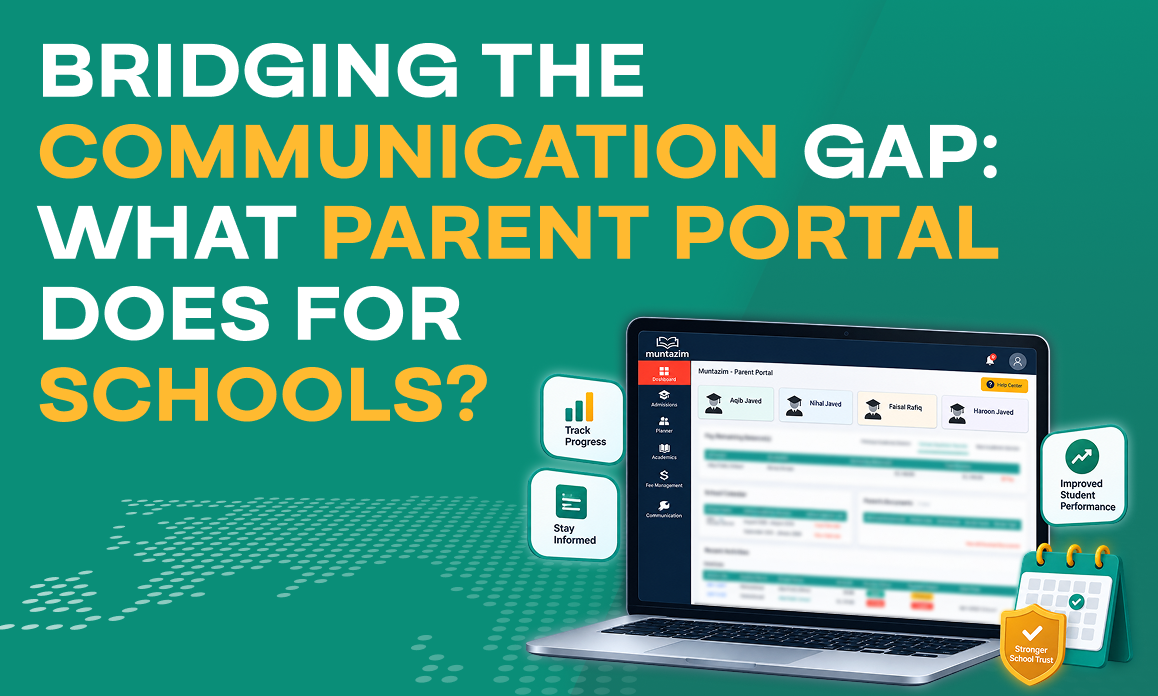
- For Parents:Real-time access to their child’s attendance, grades, and timetable, fostering a stronger home-school connection.
These cloud-based LMS features work together to create a complete, smooth, and organized learning system.
Integration of Cloud LMS with School Software
One of the most powerful advantages is the Integration of Cloud LMS with School Software. A platform like Muntazim understands that a school runs on more than just lessons.
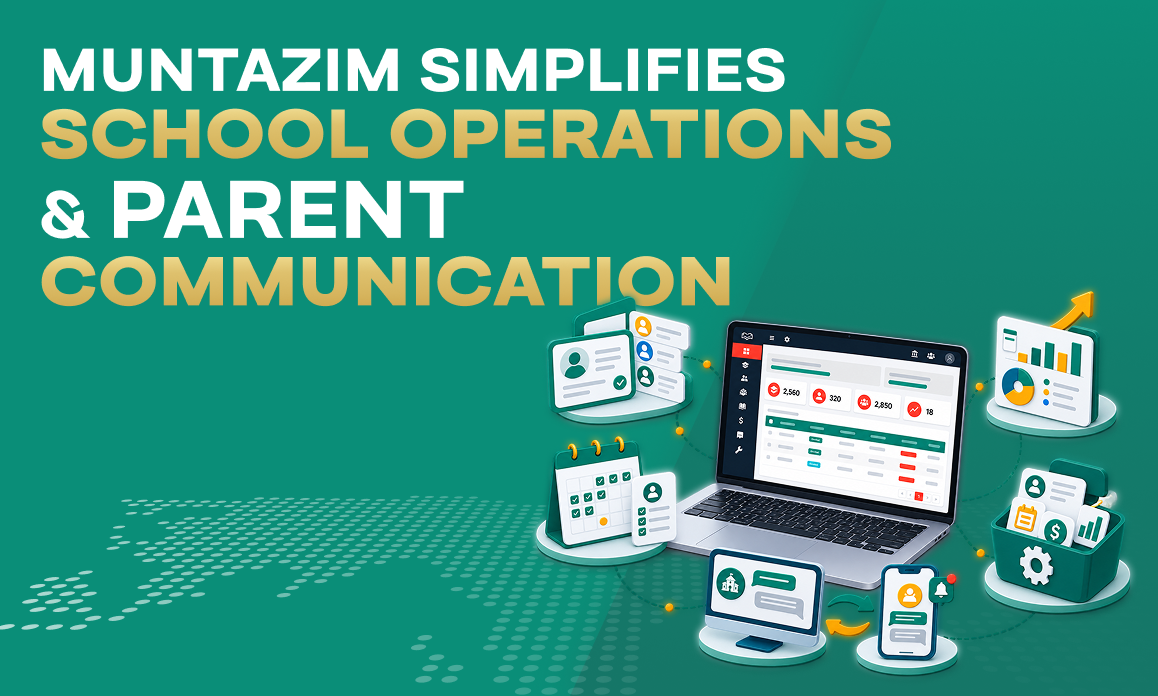
When the LMS is directly connected to the finance, admissions, and inventory modules of the School Management System, data flows smoothly between them. A student’s admission can automatically create their LMS account; their fee status can be linked to what resources they can access; and their academic results can help the administration make better decisions. This removes data silos, avoids repeated data entry, and helps build a truly smart school.
How Cloud LMS Improves Student Performance
The ultimate goal of any educational tool is to enhance learning. A Cloud-Based Learning Management System directly contributes to this by enabling personalized learning. Teachers can use analytics to identify students who are struggling and provide targeted support.
Students can learn at their own pace, revisiting video lessons and using interactive quizzes for self-assessment. This data-driven, flexible approach is a core reason why Cloud LMS improves student performance, leading to better engagement and higher academic achievement.
Learn how Muntazim’s analytics and learning tools can improve engagement and outcomes.
Benefits of Cloud-Based LMS for Schools
A Cloud-Based LMS empowers schools with:
- Anytime, Anywhere Access: Learning continues beyond the classroom.
- Lower Costs: No need for servers, hardware, or heavy IT support.
- Better Collaboration: Messaging, shared documents, and group work tools keep everyone connected.
- Automatic Updates: Schools always have the latest features and security upgrades.
- Centralized Data: Grades, attendance, and communication stay in sync with the School Management System.
- Supports Every Learning Model: Perfect for in-person, remote, or hybrid environments.
- Improved Student Outcomes: Analytics help teachers identify needs and personalize learning.
Frequently Asked Questions
It is an online platform that hosts, delivers, and tracks all educational courses and training programs. It is accessed via the internet without the need for schools to maintain their own servers, offering tools for teaching, learning, assessment, and communication in one centralized location.
Schools are moving to cloud-based platforms for easier access, lower costs, and better scalability. These systems let students learn from anywhere, reduce IT maintenance work, and easily handle more students, making them a flexible and future-proof solution compared to traditional systems.
Yes, for most schools, a cloud-based LMS is better. It removes the need for costly on-site servers and complicated IT work, makes remote learning easier, and updates automatically with the latest features and security fixes, keeping the system up-to-date.
It helps students by providing 24/7 access to learning resources and study material, enabling personalized learning paths, and using interactive tools to improve peer and teacher collaboration. This flexibility and support lead to increased engagement and improved academic performance.
It helps teachers by automating tasks like grading and attendance, keeping all teaching materials in one place, and providing insights into student performance. This saves time, reduces workload, and helps teachers plan lessons with ease.
Conclusion: The Future is in the Cloud
The transition to a Cloud-Based Learning Management System is a clear indicator of a forward-thinking educational institution. It represents a move away from tiring, outdated methods toward a future of flexibility, collaboration, and data-driven decision-making.
By choosing an integrated solution like Muntazim, a comprehensive School Management System, schools are not just adopting new technology; they are investing in a more resilient and effective educational model for everyone involved.