Introduction
For many small schools, spreadsheets have been the go-to tool for managing student records, attendance, grades, and administrative data. They are familiar, inexpensive, and easy to set up. However, as schools grow and administrative demands increase, spreadsheets often become difficult to manage, error-prone, and time-consuming to maintain.
This is where a Student Information System for small schools becomes essential. Instead of relying on disconnected files and manual data entry, schools can centralize student information, automate routine tasks, and improve communication among administrators, teachers, and parents.
According to Muntazim, more than 350 schools and over 38,000 students are already using digital school management solutions to streamline operations and improve efficiency.
The reality is simple: spreadsheets may work for a handful of students, but they are not designed to support the growing operational needs of modern schools. A dedicated student information system provides the structure, security, and scalability that small schools need to operate efficiently and better serve students.
Still managing student records through spreadsheets?
See how schools are simplifying administration with a centralized system.
Student Information System for Small Schools: Why Traditional Spreadsheets Are No Longer Enough
Many school administrators begin with spreadsheets because they appear simple. A spreadsheet can track attendance, maintain contact lists, and even record grades. However, problems arise when multiple staff members need access to the same information.
Consider a small Islamic school with 80 students. The principal manages enrollment records, teachers track attendance separately, and the finance team maintains fee records in another spreadsheet. Soon, there will be multiple versions of the same data, creating confusion and increasing the likelihood of mistakes.
A student information system for small schools eliminates these issues by creating a single source of truth. Instead of searching through various files, administrators can access all student information from one secure platform. It centralized student data, improves accuracy, reduces manual work, and enables better decision-making.
SIS for Small Schools: Solving Everyday Challenges
One of the most common questions school leaders ask is whether spreadsheets are still sufficient for managing school operations.
Let’s compare the two.
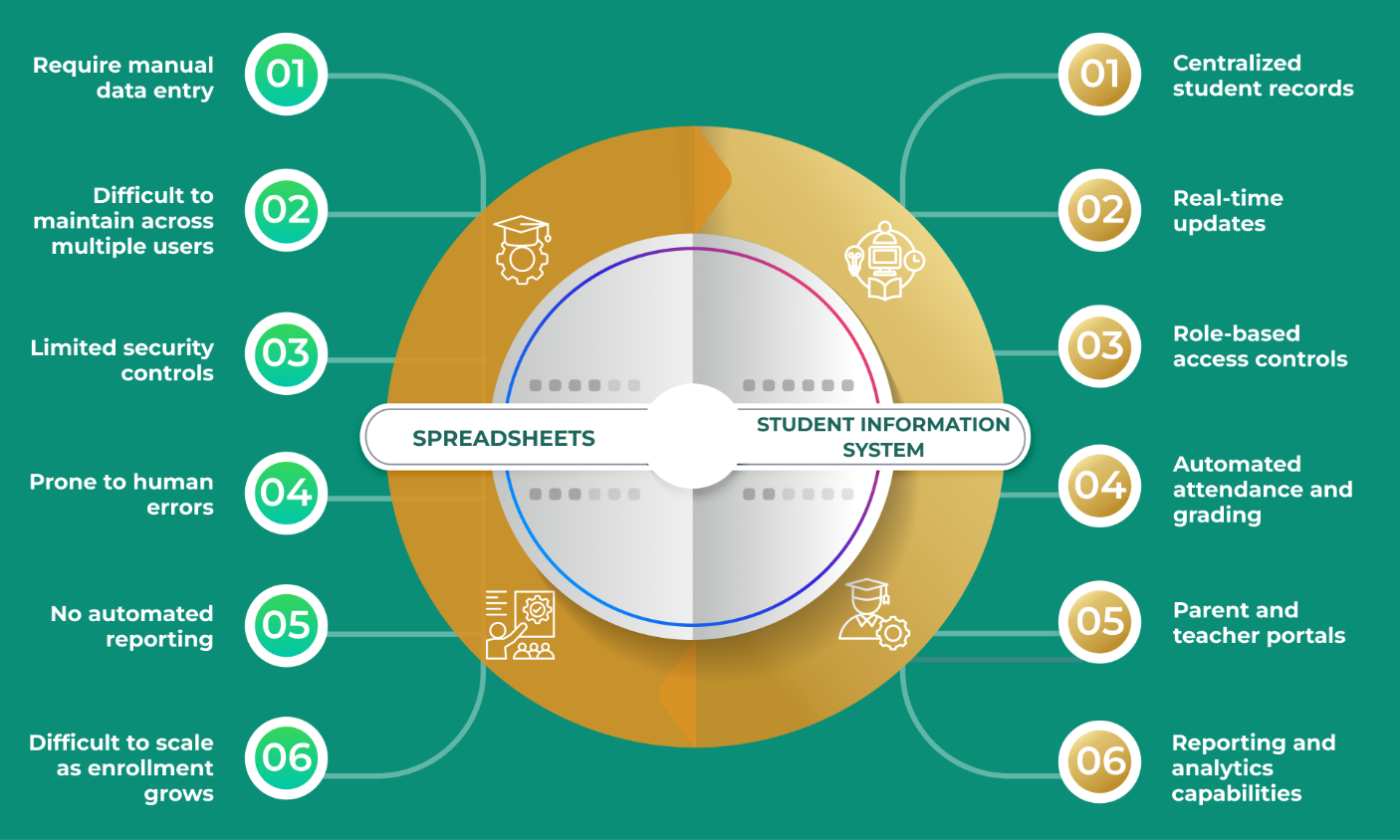
The difference between a spreadsheet and a student information system for small schools is similar to the difference between a handwritten ledger and modern accounting software. Both can store information, but one is significantly more efficient and reliable.
As your school grows, spreadsheets become harder to manage.
Discover a better way to organize student records, attendance, grading, and communication.
Common Spreadsheet Limitations for Schools
Understanding the spreadsheet limitations for schools helps explain why so many institutions are moving toward digital solutions.
1. Data Duplication
The same student information may be entered multiple times by different staff members, creating inconsistencies.
2. Human Error
The same student information may be entered multiple times by different staff members, creating inconsistencies.
3. Lack of Collaboration
When multiple users update spreadsheets simultaneously, version conflicts often occur.
4. Security Risks
Student records contain sensitive information. Basic spreadsheets do not provide the security measures available in modern systems.
5. Time-Consuming Reporting
Creating reports manually can take hours that administrators could spend on more important tasks.
These challenges become even more apparent during admissions season when schools handle large volumes of applications and student records.
Benefits of a Student Information System Over Spreadsheets
A dedicated student information system for small schools offers several advantages that spreadsheets simply cannot match.
1. Centralized Student Data Management
One of the biggest benefits is centralized student data management.
Student records, attendance, grades, enrollment information, communication history, and fee records are all stored in one place. This improves accuracy and allows authorized staff members to access the information they need instantly.
Muntazim’s student information platform centralizes student records and administrative data, helping schools operate more efficiently.
2. Improved Administrative Efficiency
One of the biggest benefits is centralized student data management.
Student records, attendance, grades, enrollment information, communication history, and fee records are all stored in one place. This improves accuracy and allows authorized staff members to access the information they need instantly.
Muntazim’s student information platform centralizes student records and administrative data, helping schools operate more efficiently.
3. Better Parent Communication
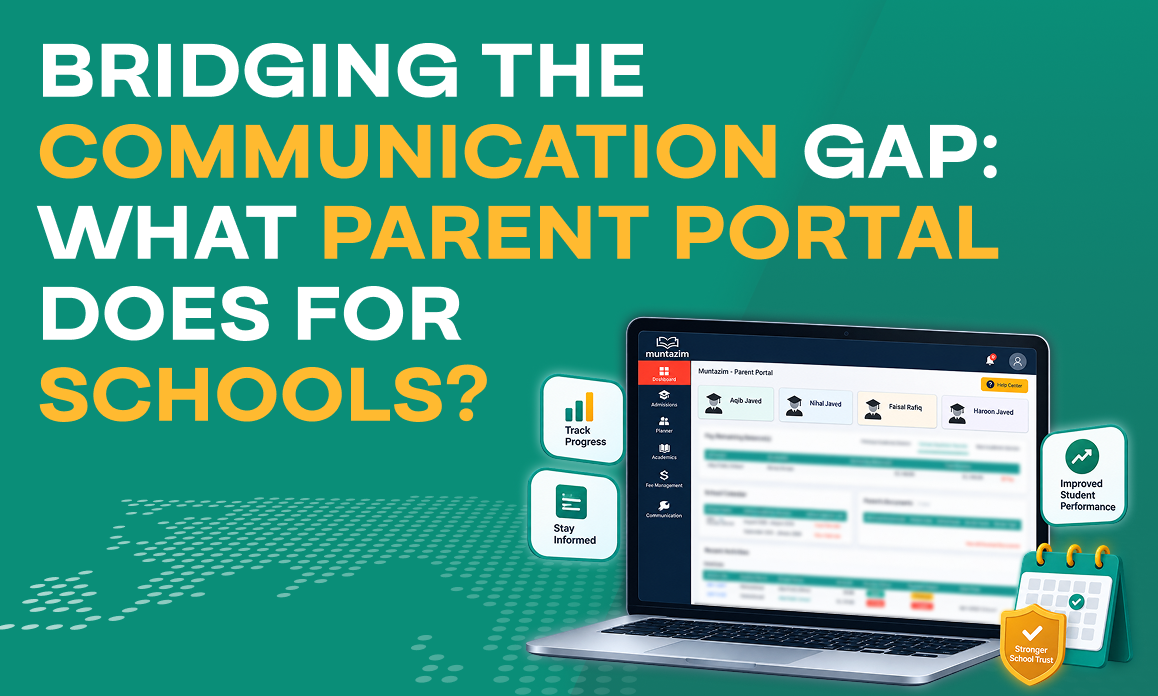
Modern systems include parent portals and mobile apps that allow families to stay informed about attendance, grades, and school announcements.
Rather than making phone calls or sending paper notices, schools can communicate instantly through a centralized platform.
4. Stronger Data Security
Student records contain confidential information that must be protected.
Unlike spreadsheets, modern SIS platforms offer secure cloud storage, user permissions, encryption, and audit trails.
Ready to move beyond spreadsheets?
Join schools using Muntazim to manage student records, attendance, and communication from one platform.
Benefits of a Student Information System Over Spreadsheets
Small schools often operate with limited staff and resources.
A principal may also handle admissions. A teacher may assist with attendance tracking. An administrator may manage both finances and parent communication.
An effective SIS for small schools helps reduce this burden by bringing essential processes together.
Instead of switching between spreadsheets, email chains, and paper records, staff can manage everything from one dashboard.
This creates a smoother experience for everyone involved:
- Administrators save time
- Teachers spend less time on paperwork
- Parents receive timely information
- Students benefit from better organization
Cloud-Based SIS for Small Schools
The future of school management is cloud-based.
A Cloud-based SIS for small schools allows authorized users to access information securely from anywhere with an internet connection.
This is particularly useful for:
- Weekend Islamic schools
- Hifz programs
- Community schools
- Multi-campus institutions
Cloud-based systems eliminate the need for expensive servers and complicated IT infrastructure.
Muntazim itself is a cloud-based platform designed to support Islamic schools, weekend schools, and educational programs across the United States.
School Management Software for Small Schools and SIS: What's the Difference?
Many educators wonder whether they need a Student Information System or a complete school management platform.
The answer depends on their needs.
A student information system for small schools focuses primarily on student records, attendance, grading, enrollment, and reporting.
A broader school management software for small schools may include additional features such as:
- Fee management
- Communication tools
- Parent portals
- Academic management
- Admissions management
- Teacher portals
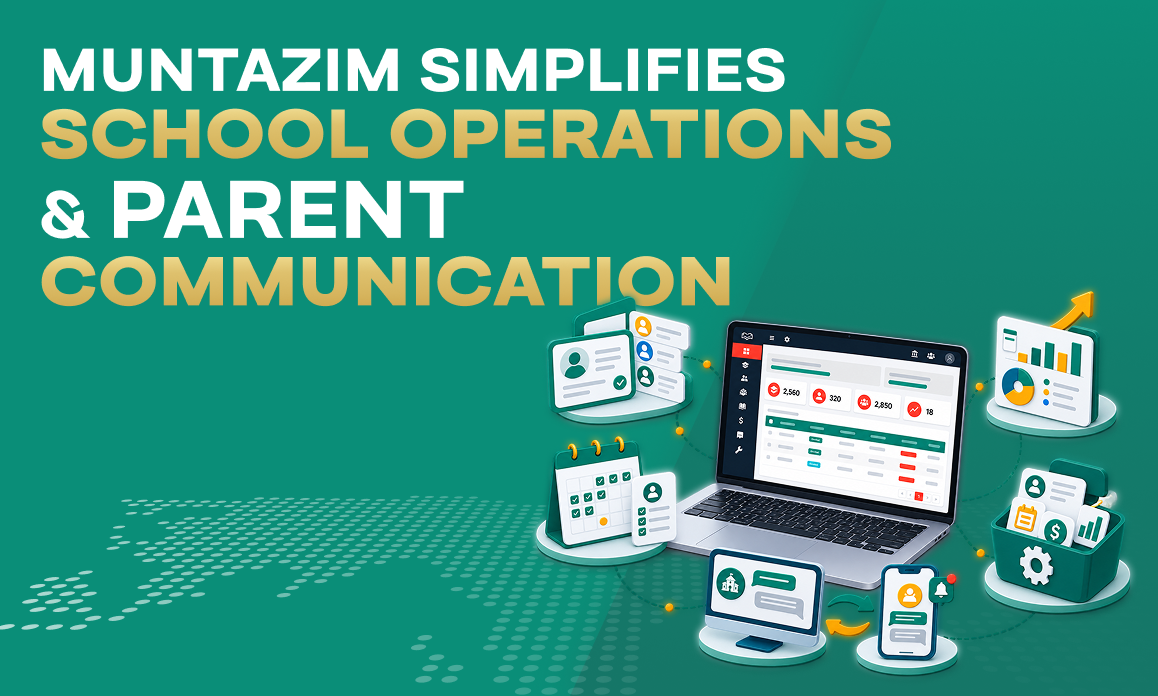
Platforms like Muntazim combine SIS functionality with school management capabilities, giving schools a complete solution in one platform.
School Management System for Small Schools: Supporting Growth
One challenge many schools face is growth.
A spreadsheet that works for 30 students may become difficult to manage at 100 students. The administrative workload increases significantly as enrollment expands.
A school management system for small schools helps institutions scale without creating additional administrative burdens.
For example:
- Enrollment data remains organized
- Attendance tracking becomes automated
- Reports are generated instantly
- Parent communication becomes centralized
This allows school leaders to focus on educational outcomes rather than paperwork.
Digital systems provide visibility, automation, and operational consistency even for institutions with limited staff.
Why an Easy to Use SIS for Small Schools Matters
Technology should simplify work, not complicate it.
The best easy to use SIS for small schools provides:
- Simple navigation
- Quick access to student records
- User-friendly dashboards
- Minimal training requirements
- Mobile accessibility
School administrators often worry about adoption challenges. However, modern systems are designed with usability in mind, allowing staff members to transition smoothly from manual processes.
Real-World Example
Imagine a weekend Islamic school with 75 students.
Before implementing a student information system for small schools, the administration used:
- Spreadsheets for attendance
- Paper enrollment forms
- Separate communication channels
- Manual grade tracking
After moving to a centralized digital system:
- Attendance tracking became faster
- Parent communication improved
- Student records were easily accessible
- Administrative workload decreased
The result was a more organized and efficient operation that benefited students, staff, and parents alike.
Why Muntazim Is a Smart Choice for Small Schools
Muntazim offers a complete sis system for schools designed specifically for educational institutions, including Islamic schools, weekend schools, Hifz programs, and community-based learning centres.
With thousands of students and teachers already using the platform, Muntazim has become a trusted SIS software solution for schools seeking efficiency and growth.
You may also find these related Muntazim resources helpful:
Frequently Asked Questions
SIS is a software platform that helps schools manage student records, enrollment, attendance, grades, communication, and reporting from one centralized location.
Yes. Even schools with fewer students can benefit from improved organization, reduced administrative workload, better communication, and secure data management.
Absolutely. Many small schools operate with limited staff, making automation especially valuable. A student information system for small schools can save significant time and reduce errors, even for schools with fewer than 100 students.
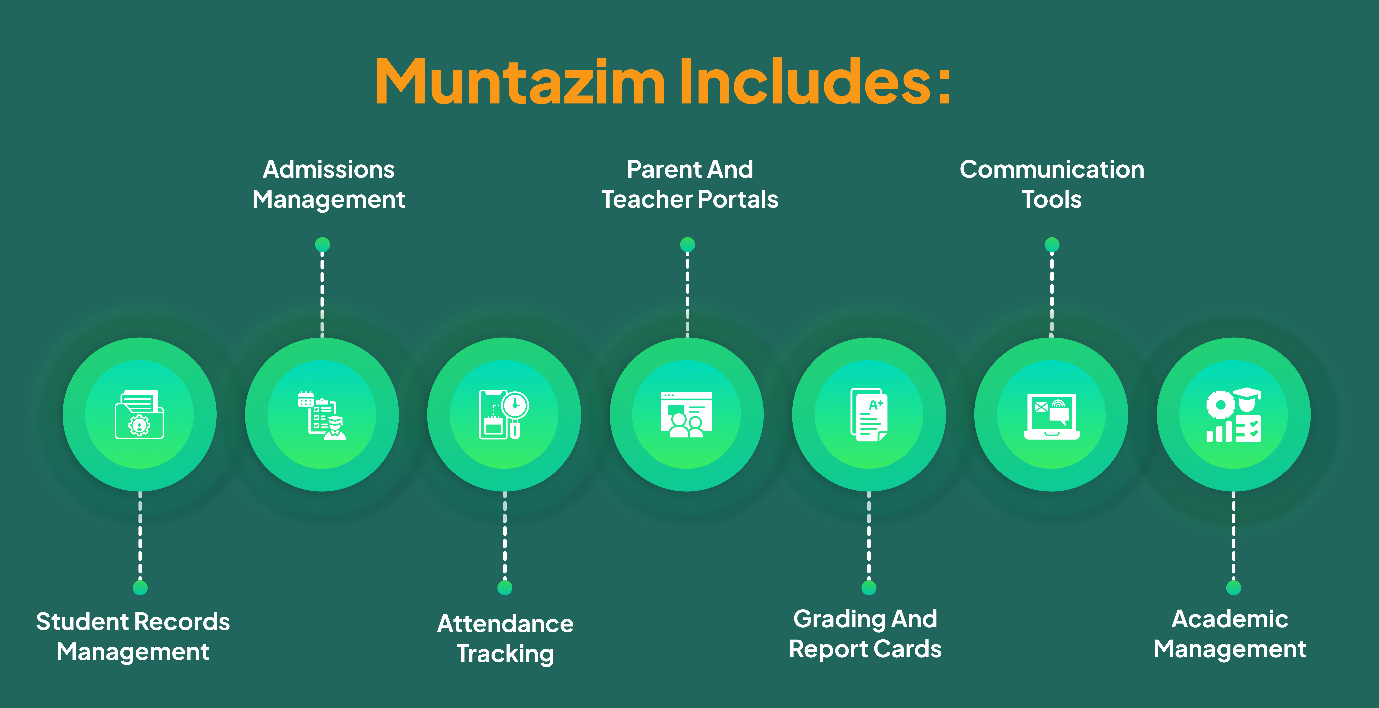
Muntazim combines SIS capabilities with admissions, attendance, communication, grading, and academic management tools in one cloud-based platform designed specifically for schools and Islamic educational institutions.
Pricing varies depending on features and enrollment size. Many providers, including Muntazim, offer plans designed specifically for smaller institutions, making modern SIS solutions affordable and scalable.
Conclusion
Spreadsheets may have served schools well in the past, but today’s educational environment demands greater efficiency, security, and accessibility. A student information system for small schools helps institutions move beyond manual processes and create a more organized, data-driven operation.
Whether your school manages 50 students or 500, investing in the right system can improve administrative efficiency, strengthen communication, and support long-term growth.
If your school is still relying on spreadsheets, now may be the perfect time to explore how a modern sis software solution like Muntazim can help you save time, reduce errors, and provide a better experience for staff, students, and parents.