Running an Islamic School in the United States has become increasingly complex in recent years. School administrators must balance academic excellence, Islamic values, regulatory compliance, financial sustainability, and parent expectations, all while managing limited resources.
As the Muslim population across the country continues to grow, so does the need for structured, scalable, and technology-driven solutions. A robust School Management System for Islamic Schools is no longer a luxury; it is the backbone that keeps these institutions standing strong.
Understanding the major challenges these schools face in 2026 is the first step toward building institutions that truly thrive.
Major Islamic School Challenges in the USA
1. Administrative Burden
Many Islamic schools, especially smaller ones, are run by a tight-knit team of passionate educators and volunteers who perform multiple tasks. The principal is often also the registrar, the accountant, and the communications officer rolled into one. This administrative burden leads to burnout, errors, and a failure to focus on one task at a time.
Islamic school management challenges in daily operations are particularly visible in record-keeping. Student information is scattered across paper forms and email inboxes. Attendance is tracked manually. Communication with parents happens through WhatsApp groups or word-of-mouth announcements. These informal systems may work when a school has 50 students, but they collapse the moment the institution tries to scale.
Without a centralized platform, teachers spend hours on paperwork instead of lesson planning. Administrators chase down missing forms instead of supporting faculty. These inefficiencies are not just inconvenient; they directly compromise the quality of Islamic education being delivered.
Still relying on spreadsheets, paper forms, and manual follow-ups?
See how Islamic schools are reducing their administrative workload using a single, centralized platform.
2. Financial Transparency and Tuition Collection
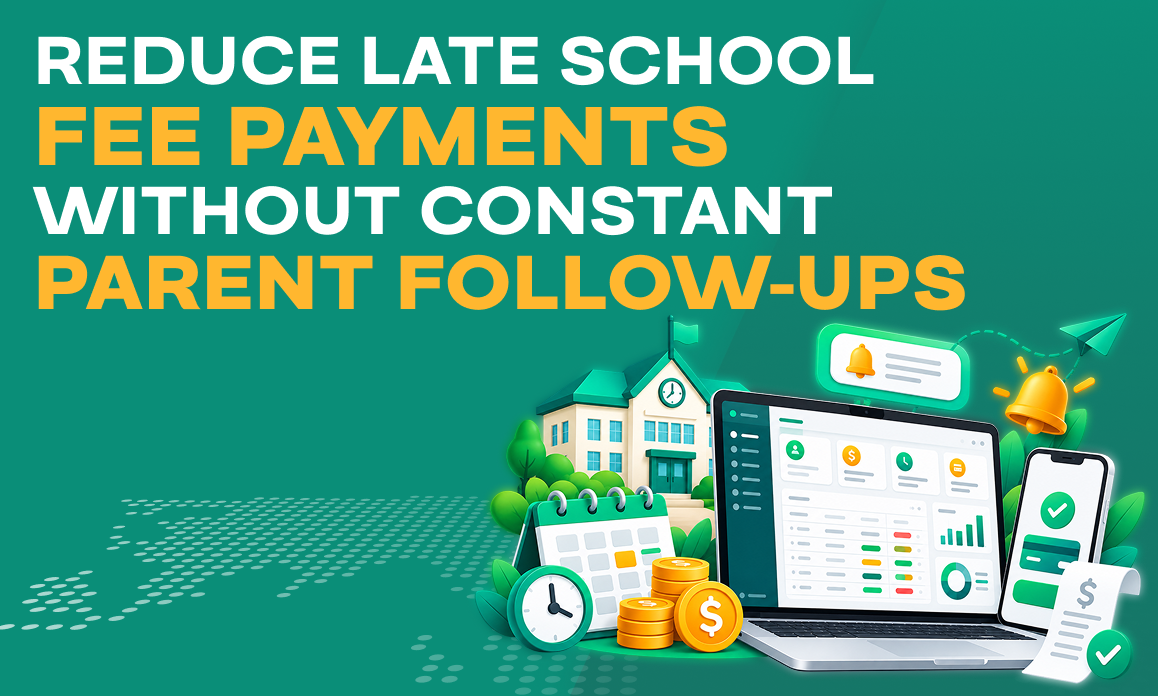
Money is where many Islamic schools feel the most pain. Tuition is frequently inconsistent; families pay late, pay partial amounts, or stop paying altogether. Without a clear system, administrators struggle to generate accurate financial reports, track outstanding balances, or send timely reminders.
This is where Islamic school tuition management software becomes a gamechanger. Schools need a platform that automates invoicing, sends payment reminders, accepts online payments, and gives administrators real-time visibility into their financial health. When cash flow is unclear, schools cannot plan; they cannot hire the right staff, invest in curriculum, or expand their programs.
Beyond collections, donors and board members often ask for financial accountability. A school that cannot produce clean, accurate reports risks losing both funding and community trust. Technology is the only scalable answer.
Why Is Admissions and Enrollment for Islamic Schools Challenging?
Admissions are a surprisingly complex process that goes far beyond filling out a form. Islamic schools serve diverse communities with families who speak multiple languages, have different academic expectations, and require various accommodations, from scheduling around prayer times to accommodating Quran memorization (Hifz) tracks alongside general studies.
The enrollment process typically involves collecting sensitive family data, assessing students academically, communicating offer letters, securing registration fees, and onboarding new students into the system. When this is done manually, information gets lost, timelines slip, and families have a poor first impression of the school.
Many schools also struggle with re-enrollment each year. Parents forget to submit forms. Administrators do not have an easy way to identify which families have confirmed their child’s spot for the following year. The result is chaotic planning; schools do not know how many students to expect, making it nearly impossible to forecast staffing or budget requirements.
A digitized, automated enrollment process removes this friction entirely. It allows families to complete everything online, at their convenience, while giving school administrators a real-time dashboard showing exactly where each application stands.
Islamic School Management Challenges in Daily Operations
Beyond admissions and finance, the daily rhythm of running an Islamic school presents its own set of hurdles:
- Communication gaps between teachers, parents, and administrators are one of the most commonly cited frustrations.
- Attendance tracking across weekend school sessions, Hifz programs, and weekday classes using separate methods creates data silos and reporting headaches.
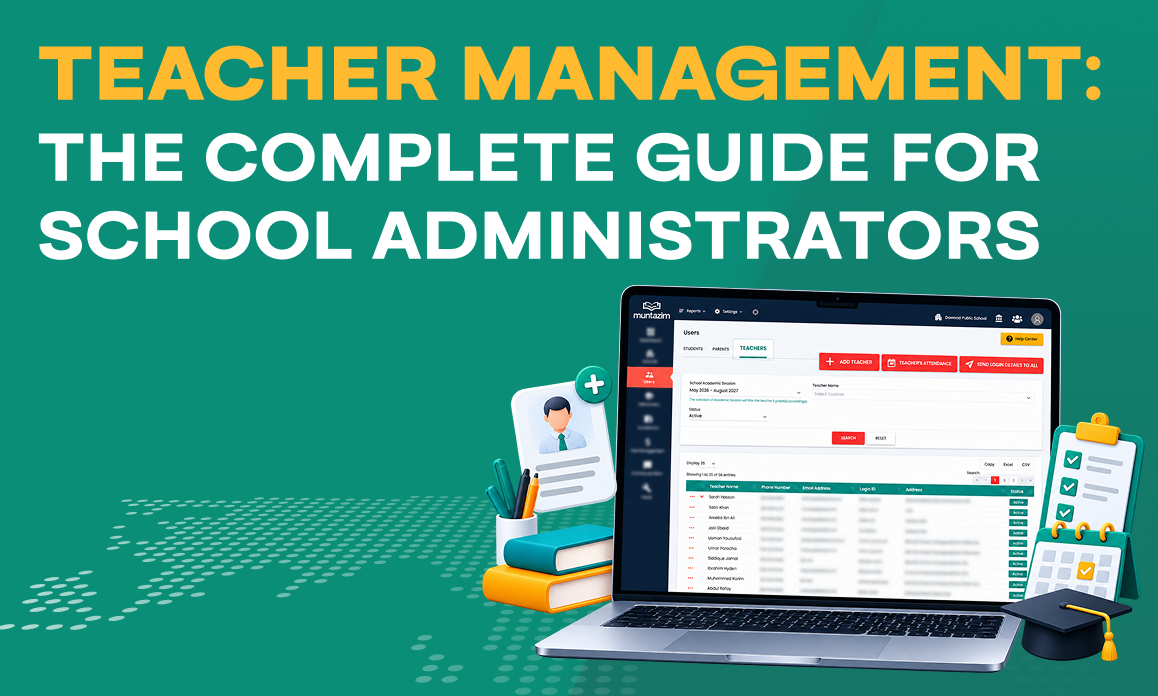
- Staff and volunteer management, coordinating schedules, issuing pay, and managing roles informally creates legal and operational risk.
These are not small inconveniences; they are Islamic school management issues that compound over time and hold institutions back from reaching their full potential.
Technology Solutions for School Management
The good news is that technology has caught up with these challenges, and platforms purpose-built for Islamic educational institutions are now available.
Technology Solutions fall into several categories:
- School Information Systems (SIS): Centralized databases that store all student records, academic history, attendance, and health information in one place. Administrators can pull any report in seconds.
- Finance and Tuition Management: Automated invoicing, online payment portals, recurring billing, and real-time financial dashboards eliminate the chaos of manual fee collection.
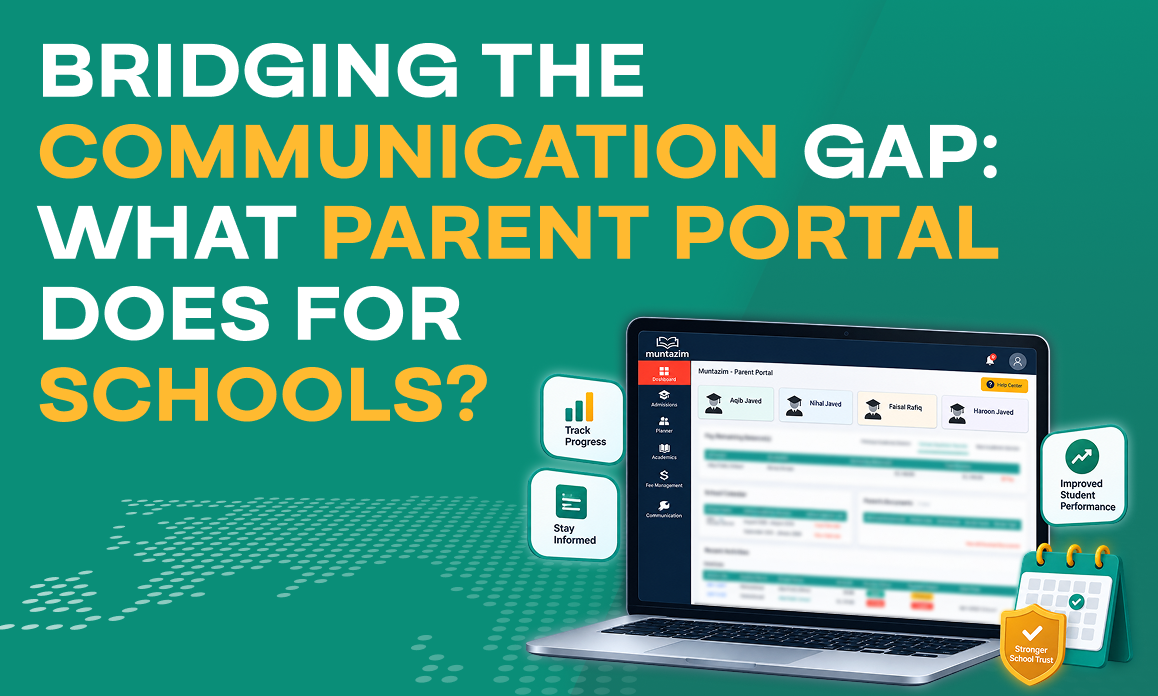
- Communication Platforms: Built-in messaging systems that connect teachers, parents, and administrators in real time, with announcements, progress reports, and assignments all managed from a single interface.
- Enrollment Portals: Digital forms, document uploads, electronic signatures, and automated status updates that make the admissions process seamless for both families and staff.
For smaller institutions, a school ERP for small Islamic schools that combines all these functions into a single, affordable platform is far more practical than adopting five different tools. A school ERP for Islamic institutions reduces software costs, eliminates integration headaches, and gives everyone in the school community one place to go.
How Can Islamic Schools Scale and Grow in the USA?
Growth requires infrastructure. An Islamic school cannot move from 100 students to 500 students if it is still relying on spreadsheets and sticky notes. School administration efficiency is the foundation of scalability, and it is built on systems, not heroic effort.
Here is what scaling successfully looks like in practice:
- Standardize your processes first
Every enrollment, every tuition payment, every parent communication should follow a consistent, documented process.
- Invest in the right technology early
Schools that implement Islamic school automation tools before they feel the growing pains are far better positioned than those who scramble to catch up after the chaos has already set in.
- Build community trust through transparency
Parents who receive timely progress reports, accurate invoices, and proactive communication from the school are more likely to re-enroll and refer others.
- Empower your staff
When teachers and administrators are free from manual, repetitive tasks, they have more time and energy to invest in meaningful education and strong community relationships.
See how Muntazim brings admissions, fees, attendance, and communication together in one system.
How Muntazim Makes It Possible
Muntazim is a cloud-based, all-in-one school management platform built specifically for Islamic schools, weekend schools, Maktabs, Hifz programs, and other Islamic educational institutions across the USA.
Muntazim addresses every challenge outlined in this blog, from enrollment and attendance to tuition management and parent communication, through a single, unified platform. There is no need to juggle multiple tools or build workarounds. Everything lies in one place, accessible from any device, at any time.
What makes Muntazim stand out is not just its features; it is the intention behind it. This is software built by people who understand the unique needs of Islamic educational institutions. The platform supports the kind of multi-track scheduling, calendar flexibility, and community communication that general-purpose school software was not built to handle.
And with affordable, flat-rate pricing based on the number of students, and no setup fees for single schools, Muntazim is accessible to schools at every stage of their journey, from a small weekend Maktab to a growing full-time academy.
Frequently Asked Questions
The biggest challenges include administrative workload, financial management, enrollment processes, staff management, regulatory compliance, and parent communication. Many schools also face resource limitations that impact operational efficiency.
A school management system centralizes administrative tasks such as attendance tracking, communication, student records, reporting, and financial management. This reduces manual work, improves accuracy, and saves valuable time.
Admissions and enrollment can be challenging due to increasing application volumes, document management requirements, communication demands, and manual approval workflows. Digital solutions help simplify and automate these processes.
They can scale successfully by implementing modern technology, improving operational efficiency, strengthening financial management, enhancing parent engagement, and streamlining admissions processes.
Conclusion
The challenges facing Islamic schools in the USA in 2026 are real, but they are solvable. The path forward is clear: standardize operations, embrace technology, and build the kind of transparent, professional institution that earns the trust of families and the broader Muslim community.
Whether you are running a small weekend Maktab or a growing full-time Islamic academy, the right tools make all the difference. Platforms like Muntazim are specifically designed to meet the needs of Islamic educational institutions, offering powerful features at an accessible price point. As administration becomes more competitive and community expectations continue to rise, the schools that invest in smart systems today will be the ones leading tomorrow.